Understanding Mobility Aids: A Comprehensive Overview
As individuals navigate the complexities of aging, physical challenges become a more pronounced part of daily life. Mobility aids are critical tools that provide support and independence to those facing mobility issues, including seniors and individuals with disabilities. Whether it’s a simple cane or a sophisticated mobility scooter, these aids can enhance quality of life by offering greater independence and freedom of movement. When exploring options, buy nobility aids can transform how users experience their daily environments.
What Are Mobility Aids?
Mobility aids are devices designed to assist those with limited mobility in moving around more efficiently and safely. They cater to a diverse range of needs and functions, helping users to maintain their independence while navigating various environments. These aids play a crucial role in helping individuals regain confidence in their ability to perform daily activities, from walking to climbing stairs and managing their homes.
Types of Mobility Aids Available
There are numerous types of mobility aids available, each designed to assist in different ways:
- Canes: Ideal for those who require minimal support, canes are lightweight and provide balance assistance.
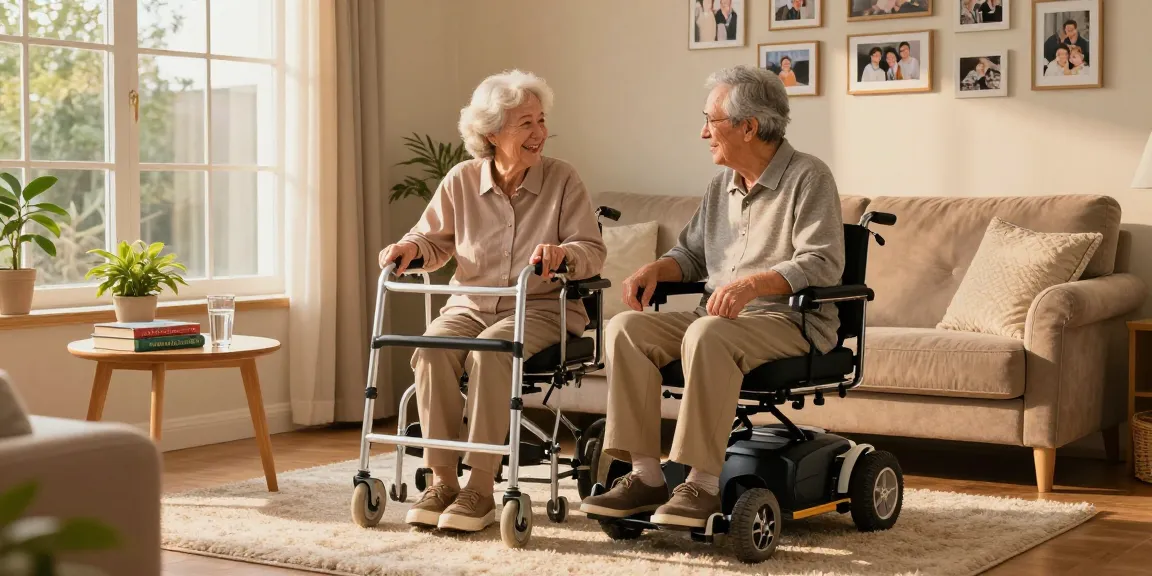
- Walkers: Offering more stability than canes, walkers are ideal for individuals who need additional support when walking.
- Wheelchairs: For those with severe mobility issues, wheelchairs (manual or electric) provide essential mobility.
- Scooters: Mobility scooters are perfect for outdoor use, allowing users to cover larger distances without physical strain.
- Stair Lifts: These ensure easier access to different levels of a home for individuals with significant mobility restrictions.
- Rollators: With wheels and a seat, rollators offer both mobility assistance and a place to rest when needed.
Key Benefits of Using Mobility Aids
Utilizing mobility aids brings numerous benefits, including:
- Enhanced Independence: Mobility aids empower users to move freely, reducing reliance on caregivers.
- Improved Safety: Aids reduce the risk of falls, providing stability and support during movement.
- Increased Access: Users can navigate various environments, from homes to public spaces, more confidently.
- Better Quality of Life: With improved mobility, individuals can engage in social activities and outings, enhancing their emotional well-being.
Common Challenges Faced by Seniors in Mobility
While mobility aids offer significant advantages, seniors face unique challenges that can impact their ability to use these devices effectively.
Addressing Physical Limitations
As seniors age, physical limitations such as muscle weakness, joint pain, or chronic conditions like arthritis can make movement difficult. These challenges necessitate the use of mobility aids, yet adapting to them can take time. Moreover, the discomfort caused by mobility issues can lead to reluctance in seeking help or using devices that could enhance their mobility.
Navigating Home Environments
Many seniors struggle with the layout and accessibility of their homes. Common hazards, such as stairs, narrow hallways, or cluttered spaces, can complicate mobility. Implementing modifications like ramps, grab bars, and clear pathways is essential to create a safe environment for using mobility aids.
Overcoming Emotional Barriers to Independence
Emotional barriers, such as feelings of embarrassment or loss of independence, can hinder seniors from using mobility aids. Encouragement from family and friends, along with education about the benefits of these aids, can alleviate these concerns and promote a more favorable attitude towards their usage.
How to Choose the Right Mobility Aids
Choosing the right mobility aid requires careful consideration of individual needs, preferences, and circumstances. It can be a personalized journey that significantly impacts the user’s quality of life.
Assessing Individual Needs and Preferences
Understanding specific mobility challenges is the first step in selecting an appropriate aid. Individuals should consider their typical activities, home layout, physical limitations, and any specific needs that may influence their choice.
Consulting Healthcare Professionals
Engaging with healthcare providers is crucial when selecting mobility aids. Occupational therapists, physical therapists, and physicians can provide valuable insights into the most suitable options based on medical history and physical capabilities.
Exploring Options: Features to Look For
When evaluating mobility aids, consider features such as:
- Weight Capacity: Ensure the aid can support the user’s weight comfortably.
- Adjustability: Look for features that can be adjusted to fit the user’s height and needs.
- Portability: If mobility aids are needed for travel, consider their weight and ease of transport.
- Durability: Opt for aids made from robust materials that can withstand daily use.
Best Practices for Integrating Mobility Aids into Daily Life
Successfully incorporating mobility aids into daily routines requires careful planning and adaptation.
Creating a Safe Home Environment
To maximize the effectiveness of mobility aids, consider modifications in the home. Ensure that floors are clear of tripping hazards, install grab bars in bathrooms, and ensure good lighting to help users navigate safely.
Incorporating Mobility Aids into Routine Activities
Encouraging regular use of mobility aids can enhance user confidence. Establish a routine that incorporates these aids into daily tasks, such as walking around the neighborhood or grocery shopping.
Staying Active: The Role of Exercise and Mobility Aids
Incorporating gentle exercises can significantly enhance mobility and strength. Activities such as short walks with a walker or using resistance bands can improve physical capabilities while using mobility aids.
Future Trends in Mobility Aids for 2026 and Beyond
As technology evolves, the mobility aid market continues to innovate, transforming how individuals approach mobility challenges.
Innovative Technology in Mobility Solutions
Smart technology is making its way into mobility aids, with advancements such as smart wheelchairs equipped with navigation systems and health monitoring sensors. These innovations aim to provide enhanced user experience and safety.
Changing Attitudes Towards Mobility Aids
Society’s perception of mobility aids is shifting, with increasing acceptance and recognition of their essential role in promoting independence and quality of life for seniors and individuals with disabilities. Educational campaigns are crucial in combating stigma and fostering a positive outlook.
Predictions for the Mobility Aid Market in 2026
The market for mobility aids is expected to grow significantly by 2026, driven by the aging population and advances in technology. We can anticipate more personalized solutions that cater to individual needs, focusing on user comfort and adaptability.
Can mobility aids be covered by insurance?
Many insurance plans provide coverage for mobility aids, depending on individual policies and medical necessity. Consulting with insurance providers is essential for understanding potential coverage options.
How to choose the best mobility aid for home use?
Choosing the best mobility aid for home use involves evaluating the user’s specific needs, space, and the type of mobility assistance required. Consulting with healthcare professionals can also provide tailored recommendations.
Are there mobility aids specifically designed for outdoor use?
Yes, various mobility aids, such as all-terrain scooters and outdoor wheelchairs, are specifically designed to perform well outside of the home, providing freedom and access to outdoor environments.
What are the latest advancements in mobility aid technology?
Recent advancements include the incorporation of AI technology in mobility scooters for better navigation, as well as smart walkers equipped with sensors that alert users to potential hazards.
How can caregivers assist seniors with mobility aids?
Caregivers play a crucial role in helping seniors adapt to mobility aids by providing training on their use, ensuring a safe environment, and offering encouragement and support in daily activities.